Basement Waterproofing for Rental Properties: A Landlord’s Guide
A wet basement rarely stays a basement problem for long. In a rental property, moisture travels upward into framing, insulation, flooring, and air quality. It stains finishes, shortens the life of mechanical systems, triggers tenant complaints, and turns routine maintenance into a legal and financial risk. For landlords, basement waterproofing is not just a construction topic. It sits right at the intersection of asset protection, tenant retention, and liability control.
I have seen owners spend years patching the same corner with sealant, only to face a much larger repair when a heavy spring thaw pushes water behind the wall. I have also seen the opposite, owners invest in the right drainage correction once and go ten years with nothing more than routine gutter cleaning and a dehumidifier check. The difference usually comes down to diagnosis. Waterproofing fails when it is treated as a product purchase instead of a building system.
Rental properties make the issue more complicated than owner-occupied homes. Tenants do not always report the first musty smell or small seep at the wall-floor joint. They might stack boxes against a damp wall, block air movement, or run the dryer in ways that increase humidity. If the unit includes basement storage, laundry, or living space, the standard for dryness becomes much higher. A landlord cannot afford guesswork.
Why basement moisture becomes expensive so quickly
Water in a basement comes with several layers of cost, and the visible stain is often the cheapest part. A small recurring leak can ruin trim, warp doors, and damage paint. Persistent humidity feeds mold growth on organic surfaces, especially cardboard, wood studs, carpet backing, and dust accumulation on joists. Once tenants start smelling mildew, trust in the property drops fast.
The bigger issue is that moisture problems rarely stay isolated. A damp basement can pull your HVAC system into longer run times, rust metal components, reduce the effectiveness of insulation, and attract pests. In colder climates, freeze-thaw cycles widen cracks in masonry and concrete. In older housing stock, that means what began as minor seepage can develop into movement, mortar failure, and expensive structural correction.
There is also the business side. Tenant complaints about mold or water intrusion often come at the worst possible time, during lease renewal, after a major storm, or when local housing inspectors are already looking at another issue. Even if the root cause is manageable, the perception of neglect can be damaging. Good basement waterproofing protects the property, but it also protects the landlord’s credibility.
Start with the source, not the symptom
The phrase “basement waterproofing” gets used loosely. Many owners think it means coating an interior wall with a waterproof paint. That can have a place in very limited situations, but it is not a cure for active water pressure or poor drainage. If liquid water is getting to the foundation from outside, the first question should always be why it is collecting there.
Most basement water problems trace back to one or more of these conditions:
- Roof water dumping too close to the foundation
- Soil grading that slopes toward the house
- Hydrostatic pressure against foundation walls or under the slab
- Cracks, joint failures, or porous masonry allowing seepage
- Indoor humidity that creates condensation and mimics leaks
That last one gets overlooked all the time. I have walked basements where the owner was sure the walls were leaking, but the real issue was warm summer air hitting cool basement surfaces, combined with an unvented dryer or no dehumidification. The fix was not excavation. It was moisture control, better venting, and air sealing.
On the other hand, if water is entering after heavy rain, or the problem appears at the cove joint where the floor meets the wall, you are likely dealing with drainage and pressure rather than indoor humidity alone. The pattern matters. So does timing. A basement that stays dry for months and then takes on water only during intense storms usually points to exterior drainage overload. A basement that feels clammy all summer may be more about condensation and ventilation.
What a proper assessment looks like
A useful waterproofing assessment is practical and evidence-based. It should include exterior observation, interior clues, and a look at the building’s history. You do not need a dramatic flood to justify action. Often the warning signs show up long before standing water.
A good inspection starts outside. Walk the perimeter after rain if possible. Look at where downspouts discharge, whether splash blocks are missing, and whether mulch or flower beds hold water against the wall. Check if the soil line sits too high against siding or brick veneer. Note any hardscaping, patios, or walkways that pitch toward the house instead of away from it.
Inside the basement, pay attention to where the evidence concentrates. Efflorescence, the white chalky mineral residue on masonry, is a classic sign that water is migrating through the wall. Rust at the bottom of steel columns, damp sill plates, peeling paint, swollen baseboards, and mold behind stored items all tell part of the story. Water stains that stop several inches above the floor can suggest occasional standing water. Staining at isolated cracks may point to localized entry. Broad dampness along a wall often suggests soil moisture pressure.
For rental properties, the maintenance log can be as useful as the inspection itself. If tenants have complained about musty smells every spring, if the sump pump has been replaced twice in five years, or if the carpet in a finished basement unit has been cleaned after “minor leaks” more than once, the pattern is already telling you something. Good waterproofing decisions are made from recurring behavior, not from one snapshot.
Exterior fixes often give the best return
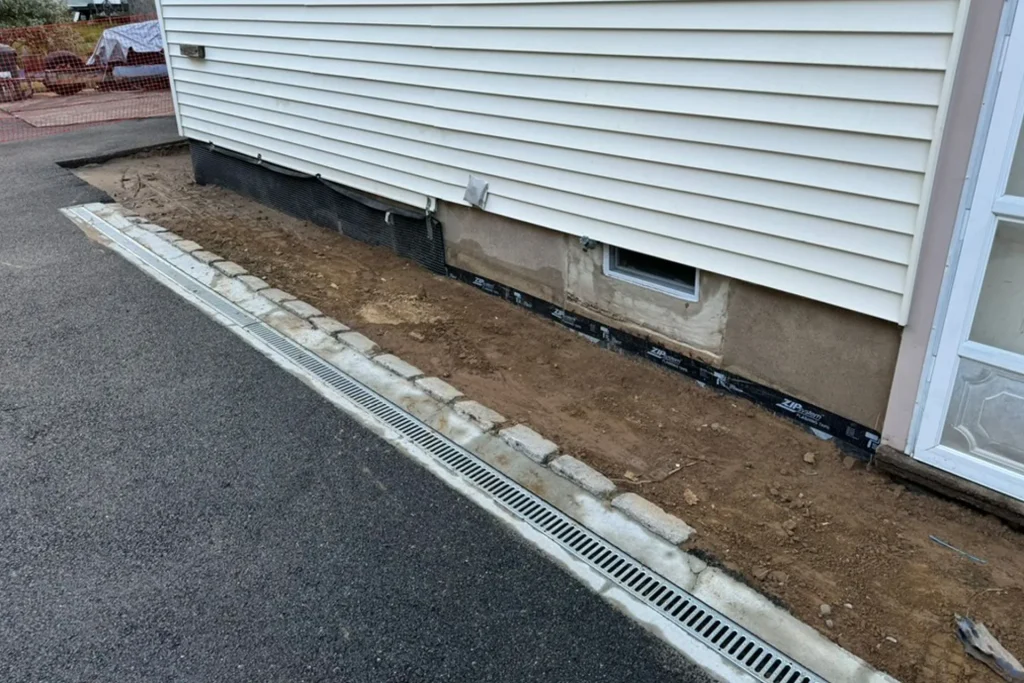
If I had to name the most cost-effective waterproofing work for a typical rental property, it would not be a membrane or a fancy coating. It would be boring exterior water management done correctly. Gutters, downspouts, grading, and discharge control solve a surprising number of basement problems at a reasonable cost.
Downspouts should carry roof runoff well away from the foundation, often by several feet at minimum, more if the site allows it and local rules permit. Extensions matter. A downspout that dumps one foot from the wall during a heavy storm can load the soil beside the foundation with hundreds of gallons over a short period. That water does not disappear. It either saturates the ground and builds pressure, or it finds its way into the basement.
Grading is another frequent weak point. Soil settles over time, especially around backfilled foundation walls. Even a subtle negative slope can direct water right toward the structure. Regrading does not need to be dramatic, but it does need to be deliberate. The aim is to encourage runoff to move away from the house early, before it can soak downward beside the footing.
Window wells deserve attention too. In older rentals, I often find clogged wells with no clear drainage path, leaves piled against the frame, and caulk repairs layered over failing sealant. One hard rain later, the basement takes on water and the owner blames the foundation. In reality, the window opening became a water collection point.
Exterior corrections are not glamorous, but they tend to be durable and visible in their effect. They are also easier to explain to tenants and easier to maintain through routine property visits.
When interior systems make sense
There are properties where exterior correction alone is not enough. Dense urban lots, attached buildings, older homes with limited access, and finished basements with recurring seepage often call for interior water management systems. These usually include a perimeter drain channel, a sump basin and pump, and a method of directing wall or floor seepage into the drainage path before it reaches the living area.
Interior systems do not stop water from reaching the foundation wall in the first place. What they do, when designed properly, is manage it once it gets there. For many landlords, that distinction matters less than performance. If the basement stays dry, the system is doing its job. Still, it is important to understand what you are buying. An interior drain and pump setup is management, not magic. It relies on mechanical components, power, and periodic maintenance.
That means rental owners should think beyond installation day. If the power goes out during a storm, does the pump have battery backup? If the discharge line freezes in winter, what happens next? If the tenant stores items around the sump pit and ignores an alarm, will anyone know there is a problem before water rises?
These questions are not theoretical. They are exactly the things that separate a dependable waterproofing strategy from a future emergency call. On rentals, I generally prefer systems that are easy to inspect, easy to service, and paired with clear maintenance records. Complexity is rarely your friend when the property is occupied by someone else.
Finished basements raise the stakes
An unfinished storage basement can tolerate some imperfections that a finished lower-level apartment cannot. Once drywall, flooring, trim, and furniture enter the picture, the margin for moisture shrinks dramatically. Even small seasonal dampness can become an expensive cycle of odor complaints, staining, and hidden damage inside wall cavities.
If you rent out basement living space, waterproofing should be treated as a prerequisite, not an upgrade. The same goes for using the basement as laundry, office, gym, or tenant storage with any expectation of dryness. In practical terms, that often means combining several measures rather than relying on one. Exterior drainage control, crack repair, sump protection, dehumidification, and moisture-tolerant finishes all have a role.
Material choice matters more than many landlords realize. If a basement has any history of moisture, carpeting and paper-faced drywall are risky. Luxury vinyl plank, tile, closed-cell insulation strategies, and trim materials that tolerate occasional humidity swings perform far better. Waterproofing is not only about keeping water out. It is also about reducing what gets damaged if conditions are not perfect.
I once looked at a basement unit where the owner had spent good money on new finishes but ignored the old cast iron drain line sweating behind a framed wall and the lack of humidity control. The tenant kept reporting a musty smell, and everyone focused on the windows. The actual issue was a mix of condensation and trapped moisture in the wall assembly. The lesson was simple, a dry-looking basement is not necessarily a dry basement.
Crack repair, coatings, and common misunderstandings
Foundation cracks tend to alarm landlords, and for good reason, but not all cracks mean the same thing. Some are cosmetic shrinkage cracks in poured concrete. Others indicate movement, lateral pressure, or settlement. The repair method should match the crack type, width, activity, and location.
For isolated non-structural cracks that allow seepage, injection repair can work well. Epoxy and polyurethane serve different purposes, and the choice depends on whether the goal is structural bonding, flexible sealing, or active leak stopping. In masonry foundations, repointing and localized repair may be more relevant than injection.
Coatings have their place, but they are often oversold. A masonry waterproofing paint can reduce minor dampness vapor in some circumstances, particularly on sound substrates with low pressure. It does not solve water forcing its way through under hydrostatic pressure. If you apply a coating over a wall that is already under stress from trapped moisture, you may get peeling, blistering, and false confidence.
Landlords are especially vulnerable to quick-fix pitches because the idea is attractive: roll on a product, solve the leak, move on. The reality is that real basement waterproofing usually involves drainage logic. Water follows physics. Any solution that ignores where the water is coming from deserves scrutiny.
Tenant communication is part of the waterproofing plan
One difference between rental properties and owner-occupied homes is that building performance depends partly on the occupants. Tenants may not know that closing supply vents in the basement can worsen humidity, or that pushing furniture flush against an exterior foundation wall can trap moisture. They may notice a small leak but delay reporting it because it seems minor.
That is why every landlord should pair physical improvements with clear instructions. A short move-in note can explain how to report water, what not to store directly on basement floors, and why the sump area should remain accessible. If the property has a dehumidifier, tenants should know whether they are expected to empty it, monitor it, or leave it running continuously during humid months.
The most useful guidance is simple and specific:
- Report any damp smell, staining, or water immediately, even if it dries on its own
- Keep stored items on shelves or pallets, not directly on the slab
- Do not unplug sump pumps or dehumidifiers
- Leave at least a small air gap between belongings and foundation walls
- Notify management if gutters overflow or downspouts disconnect
This kind of communication prevents small issues from becoming expensive mysteries. It also helps demonstrate that the owner took reasonable steps to manage moisture conditions, which matters if disputes arise later.
Budgeting without guessing
Costs for basement waterproofing vary widely because the range of problems is wide. A few hundred dollars spent extending downspouts and correcting a minor grading issue can solve one property. Another may need crack injection, sump work, and partial excavation that runs into several thousand dollars. Full exterior excavation and drainage replacement can be a major capital project.
For landlords, the better budgeting question is not “What is the cheapest fix?” but “What is the cheapest reliable fix for this building?” Those are different questions. If a $700 patch needs to be redone every year and still leaves you fielding complaints, it is not saving money. If a $6,000 drainage correction protects a basement apartment that rents for meaningful monthly income, the return can be obvious.
I usually advise owners to separate https://tituslxgz313.evergrovio.com/posts/basement-waterproofing-myths-that-could-cost-you-money waterproofing work into three buckets. The first bucket is immediate risk reduction, things like discharge extensions, sump backup, and active leak control. The second is root-cause correction, such as grading, drainage, or crack repair. The third is resilience, meaning moisture-tolerant finishes, monitoring, and maintenance practices that reduce future damage. Thinking this way keeps you from spending all your budget on cosmetic repair while ignoring the real source.
How to hire the right contractor
Waterproofing attracts a broad mix of contractors, from highly skilled drainage specialists to aggressive sales teams offering one-size-fits-all systems. A proposal is only as good as the diagnosis behind it. If two companies suggest completely different solutions, that does not automatically mean one is dishonest. It may mean one looked at the site more carefully than the other.
Ask contractors to explain where they believe the water originates, why their proposed method addresses that path, and what maintenance the system will require. A solid contractor can walk you through the logic in plain language. They should also be willing to discuss limitations. If a company promises a universal cure without talking about grading, discharge, power loss, or site conditions, I would be cautious.
Documentation helps. Photos before and after, moisture readings where appropriate, and a written scope are useful not just for installation but for property records. On rentals, that paper trail can matter years later when a new manager takes over or when a tenant asks what was done to address a prior issue.
Maintenance after the work is done
A waterproofed basement is not a basement you can forget forever. It is a basement that now has a system worth protecting. Gutters clog, soil settles again, sump pumps wear out, and discharge lines get blocked by debris or ice. The good news is that maintenance is manageable if it is scheduled.
At minimum, someone should verify each wet season that roof water is being carried away properly, sump equipment is functioning, and the basement humidity is staying in a reasonable range. If the property has an interior drain system, the sump pit should remain accessible and clean enough to inspect. If the basement has a dehumidifier, check the drain line or collection method. In finished spaces, a periodic look behind stored items and along lower wall sections can catch trouble early.
This is one area where landlords benefit from a simple recurring checklist in their maintenance software. Basement issues reward consistency. They punish neglect.
The long view for landlords
The best reason to take basement waterproofing seriously is not fear, it is control. Moisture problems make a property unpredictable. They create emergency spending, interrupt occupancy, and damage trust. A dry basement, even if it requires an upfront investment, makes the building easier to manage and easier to lease.
For owners with one rental house, that may mean preserving a major personal asset. For those with several properties, it means fewer repeated complaints, fewer damaged turns, and a more stable maintenance budget. Basement waterproofing is not always cheap, but unresolved water problems are almost never cheaper.
Good landlords learn to treat basements as systems, not spaces. Water arrives from somewhere, moves in identifiable ways, and leaves clues before it causes major loss. When you respond to those clues with practical diagnosis and durable corrections, the property gets stronger, the tenant experience improves, and the same storm that used to trigger anxiety becomes just another rainy night.
ARD Waterproofing
98 Smull Ave, West Caldwell, NJ 07006, United States
+1 917-691-8411
FAQ About Basement Waterproofing
Can you 100% Waterproof a Basement in West Caldwell?
A properly designed system can substantially reduce basement water intrusion, but no method can promise protection against every flood, equipment failure, or future change in site conditions. The first step is identifying whether moisture comes from surface runoff, groundwater, plumbing, or condensation. Solutions may include grading and gutter improvements, drainage, foundation repairs, and a sump system. Review the specific coverage and exclusions of any written warranty.
How much does it cost to professionally waterproof a basement in NJ?
There is no single price that fits every basement. Cost depends on the cause of the leak, the area needing work, access, excavation requirements, drainage design, sump equipment, and restoration of disturbed finishes or landscaping. Request an on-site assessment and an itemized written estimate that explains the scope, exclusions, and maintenance requirements before comparing proposals.
How long does foundation waterproofing last in West Caldwell, NJ?
Service life varies with the waterproofing materials, installation quality, soil and water conditions, and maintenance. Drainage components and pumps may require servicing or replacement even when other parts of the system remain functional. Keep gutters, drainage outlets, and sump equipment maintained, and have recurring leaks or changes in foundation condition assessed. Ask for product-specific expectations and written warranty terms rather than relying on one lifespan for the entire system.
Ends · DANTEPCUZ350